
Exploring Blood and Mucus in Stool: Key Insights


Intro
The presence of blood and mucus in stool is not merely an uncomfortable experience, but rather, an important indicator of gastrointestinal health. This condition can stir a pot of worries, prompting individuals to seek answers about its underlying meanings and implications. Delving deep into this topic can equip readers with the necessary knowledge to address their concerns with clarity and confidence. In this exploration, we aim to dissect the potential causes and implications while also assessing diagnostic methods and treatment avenues available today.
Understanding blood and mucus in stool involves sifting through a variety of factors, from minor irritation to significant health issues. This article seeks to illuminate the path through this complex labyrinth of symptoms and possibilities, arming our readers with insights that they can utilize in discussions with healthcare professionals or in personal health management. In light of this, the subsequent sections will uncover key concepts, highlight research advancements, and direct attention to future paths in understanding these gastrointestinal phenomena.
Key Concepts
Definition of Primary Terms
Before diving into the depths of this issue, it is crucial to grasp fundamental concepts related to blood and mucus in stool.
Here are some necessary definitions:
- Hematochesia: Refers to the passage of fresh blood through the anus, often associated with the lower gastrointestinal tract.
- Melena: Indicates black tarry stools that typically suggest upper gastrointestinal bleeding.
- Mucus: A gelatinous substance produced by mucous membranes, typically acting as a lubricant within the intestines.
Understanding these terms not only strengthens the reader's vocabulary but also provides clarity in communication among health discussions. When individuals describe their symptoms, using these terms precisely can often point healthcare providers down the right path for diagnosis.
Related Concepts and Theories
The appearance of blood and mucus in stool may connect to several conditions, and to further understand this, one must explore overlapping concepts, including:
- Gastroenteritis: This inflammation of the stomach and intestines can cause changes in stool production, leading to abdominal pain, diarrhea, and noticeable mucus.
- Irritable Bowel Syndrome (IBS): A common disorder affecting the large intestine, which can present these symptoms among others, characterized by varying types of bowel movements.
- Inflammatory Bowel Disease (IBD), which includes conditions like Crohn's disease and ulcerative colitis, is another crucial topic for consideration.
These related areas highlight the intertwining nature of gastrointestinal health, emphasizing the importance of comprehensive investigation to draw lines between symptoms and conditions.
"Health is like time; it can slip away before we realize its importance. Understanding our bodily signals is key to maintaining this delicate balance."
Future Directions
Gaps Identified in Current Research
Despite the plethora of studies on gastrointestinal symptoms, significant gaps remain in the understanding of blood and mucus in stool. For instance, there is not enough clarity on how common these occurrences are across different demographics and how they correlate with lifestyle choices. Further research can delve into the role diet plays in exacerbating these conditions, as well as the psychological implications tied to persistent symptoms.
Suggestions for Further Studies
Future investigations should seek to explore:
- Longitudinal studies examining the long-term effects of dietary variations on gastrointestinal symptoms.
- The impact of mental health on the presentation of these symptoms, as stress and anxiety often influence gut health.
- Clinical trials focusing on novel treatments for underlying conditions reflecting blood and mucus in stool, potentially advancing patient care.
Preamble to Gastrointestinal Symptoms
Understanding gastrointestinal symptoms is crucial for maintaining overall health. The gut plays a significant role in digestion, absorption of nutrients, and the immune system. Symptoms originating in this region can offer critical clues about one's well-being, often indicating underlying conditions that require attention. In particular, changes in the stool—such as the presence of blood or mucus—can signal various health issues and demand prompt evaluation.
Recognizing the importance of gastrointestinal symptoms helps in monitoring your body’s signals more effectively. People often disregard signs of distress until they become severe. Spotting these symptoms early can lead to better outcomes and is essential for preventive health.
Defining Normal Stool Characteristics
When considering gastrointestinal health, it is important to first establish what is deemed "normal" in terms of stool characteristics. Normal stools are typically brown, with a soft consistency, and shaped like a sausage or a snake. The color arises from the breakdown of bilirubin, a yellow-green pigment that results from red blood cell breakdown. Various factors—such as diet, hydration, and medication—can affect these characteristics, and it's essential to know these variations to spot abnormalities.
Factors that define normal stool include:
- Color: Ranges from light yellow to brown. Dark stools can indicate iron supplements or gastrointestinal bleeding, while bright red may suggest blood in the lower GI track.
- Texture: Should be soft yet formed. Watery stools indicate diarrhea, while hard stools may suggest constipation.
- Frequency: Typically varies from three times a week to three times daily. Both less or more can suggest underlying issues.
Understanding these characteristics helps one identify deviations, such as the appearance of blood or mucus, which can be key indicators of potential health problems.
Importance of Monitoring Bowel Health
The bowel's health plays a significant role in one's overall physical condition. Regular monitoring can provide insights into changes that reflect not just gastrointestinal problems but also broader health concerns. Keeping track of bowel movements—frequency, appearance, and associated symptoms—can yield vital information worth sharing with health care providers.
Reasons to give attention to bowel health:
- Early Detection: Being aware of changes can lead to early diagnosis of conditions like infections, inflammatory bowel diseases, or even colorectal cancer.
- Awareness of Diet Impact: Observing how different foods affect your stool can inform dietary choices that promote gut health. Eating fiber-rich foods, for example, helps to maintain regularity and supports gut flora.
- Chronic Conditions: For individuals with known digestive conditions, regular monitoring can highlight flares or remission periods, making it easier to adjust treatments in consultation with health professionals.
"A healthy gut is a cornerstone of overall health. Stay informed and act on your body's signals."
For more resources, visit The Mayo Clinic or CDC - Digestive Health.
Types of Abnormalities in Stool
The presence of abnormalities in stool can be a clear signal that something is amiss in the gastrointestinal tract. These anomalies, particularly blood and mucus, are not merely inconvenient; they carry vital insights about an individual's digestive health. Understanding these types of abnormalities is essential, as they can lead to early detection of serious conditions, guiding effective interventions before they escalate into more severe health issues. With that said, we explore the nuances of these symptoms—sound knowledge allows one to make informed decisions about when to seek medical intervention.
Understanding Blood in Stool

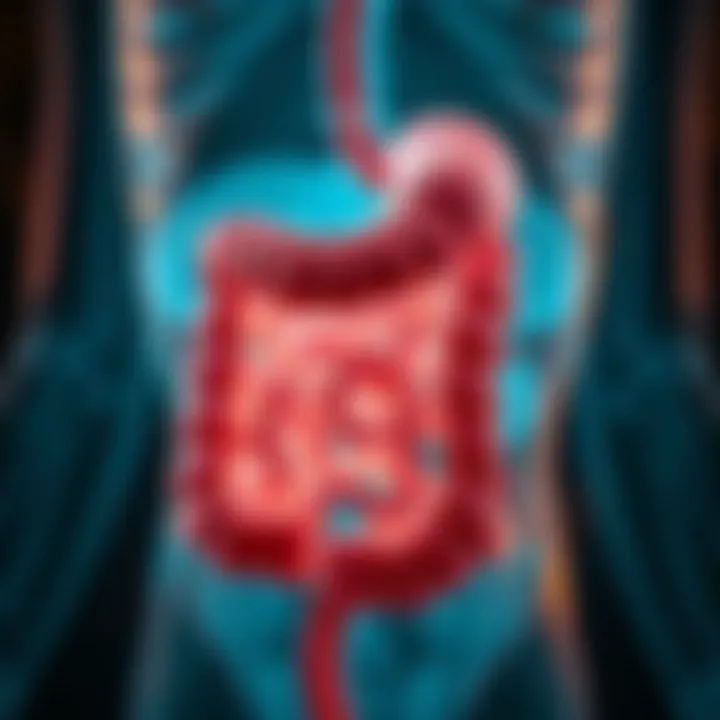
When we talk about blood in stool, we aren't just referring to a fleeting glimpse of red. There are various forms of blood that may present in stool, which can indicate different underlying issues. For instance, bright red blood often suggests that the source is located in the lower gastrointestinal tract, such as the colon or rectum. Conversely, darker blood, sometimes referred to as "melena," can point to bleeding that originates higher up in the digestive system, possibly in the stomach or small intestine.
To illustrate, consider a hypothetical case where a thirty-five-year-old individual notices blood streaks on their stool. This could point toward a common issue like hemorrhoids, an uncomfortable yet often manageable concern. On the other hand, if a person in their sixties discovers dark, tar-like stool, there’s a need for immediate medical attention as this may indicate a bleeding ulcer or even colorectal cancer.
Key considerations when identifying blood in stool:
- Frequency: How often does this happen? Is it an isolated incident or a recurring problem?
- Accompanying symptoms: Are there other symptoms present, like abdominal pain or sudden weight loss?
- Dietary factors: Have there been recent changes in diet that may account for altered stool color?
Important Note: Never dismiss blood in stool as a minor issue. Even if it seems trivial, consulting a healthcare provider should always be prioritized.
Identifying Mucus in Stool
Mucus itself is a natural and vital component in our digestive system, helping to lubricate the intestinal walls and optimizing the passage of stool. However, when there is a noticeable increase in mucus, especially if accompanied by other signs, it may indicate underlying health concerns.
Mucus presenting alongside blood is particularly noteworthy and should raise alarm bells. For instance, an increase in mucus may often co-occur with conditions like irritable bowel syndrome or inflammatory bowel disease. A patient experiencing these symptoms might have persistent diarrhea or alternating bouts of constipation and diarrhea, suggesting a higher likelihood of an inflammatory process at work.
There are a few key points worth considering when thinking about mucus in stool:
- Appearance: A small amount of transparent mucus is generally normal, but excess mucus, especially if it's colored or bloody, should not be overlooked.
- Symptoms correlation: Like blood, note any other accompanying symptoms such as cramping, changes in bowel habits, or unexpected weight loss.
- Duration: Is this a new symptom? Has it persisted over time, or did it just appear?
Ultimately, being attentive to both blood and mucus in stool can lead to crucial insights about one's gastrointestinal health, making awareness an indispensable tool in personal healthcare. Individuals are encouraged to maintain a healthy dialogue with healthcare professionals regarding any concerning symptoms, no matter how trivial they may seem.
Potential Causes of Blood and Mucus in Stool
Understanding the underlying causes of blood and mucus in stool is crucial for effective management and intervention. These symptoms can serve as red flags, signaling potential health issues that require attention. Identifying the root causes can provide clarity and direction for both diagnosis and treatment, ensuring targeted therapies and supporting optimal gastrointestinal health.
Several factors can contribute to the presence of blood and mucus in stool, each holding unique implications. For patients, awareness of these causes can empower them to seek timely medical advice, which can lead to early detection and improved outcomes. Clinicians benefit from a thorough grasp of these factors as it furthers their diagnostic acumen, allowing them to tailor investigations appropriately.
Infectious Diseases
Infectious diseases can lead to inflammation of the gastrointestinal tract, causing blood and mucus to appear in stool. A variety of pathogens, such as bacteria, viruses, or parasites, can incite these symptoms. Common culprits include:
- Salmonella: Often contracted from contaminated food or water, Salmonella infection can result in severe diarrhea with blood and mucus.
- E. coli: Especially the strain E. coli O157:H7, known for causing foodborne illness, can lead to bloody diarrhea, sometimes accompanied by mucus.
- Shigella: This bacterium can result in dysentery, producing both blood and slimy mucus due to gastrointestinal irritation.
Important: If you suspect an infectious cause, seeking prompt medical attention is critical, as some infections can lead to dehydration and other serious complications.
Inflammatory Bowel Diseases
Inflammatory bowel diseases (IBDs) such as Crohn's disease and ulcerative colitis are notable for causing persistent diarrhea, often with blood or mucus. These conditions are characterized by chronic inflammation of the digestive tract, resulting in:
- Symptoms of Abdominal Pain: Often tied directly to inflammation, pain can vary from mild to excruciating.
- Persistent Diarrhea: Stools may be frequent and urgent, often mixed with blood and mucus, particularly during flare-ups.
- Bowel Changes: Patients may experience alternating bouts of constipation and diarrhea as the disease course varies.
Effective management might require a combination of medical treatments, dietary adjustments, and sometimes surgical intervention, emphasizing the importance of early recognition.
Diverticular Disease
Diverticular disease, including diverticulitis, can lead to inflammation and bleeding in the bowel, presenting as blood in stool. Diverticula are small pouches that can develop in the colon walls, and when inflamed, they may cause:
- Left Lower Abdominal Pain: This is common, often worsening with movements or straining.
- Fever or Nausea: Accompanying symptoms signaling a potential infection or inflammation.
- Changes in Bowel Habits: Diarrhea or constipation can occur, often mixed with blood or mucus.
Addressing diverticular disease typically requires antibiotic therapy and dietary changes, with severe cases potentially necessitating surgical options.
Colorectal Cancer
The presence of blood and mucus in stool can alarmingly indicate colorectal cancer, particularly among older adults or those with risk factors such as:
- Family History of Cancer: Genetic predispositions can heighten risk significantly.
- Polyps in the Colon: These growths can precede cancer and may shed blood and mucus during bowel movements.
- Unexplained Weight Loss or Changes in Bowel Pattern: Signs that warrant serious concern.
Timely screening and diagnostic testing like colonoscopy can facilitate early detection, allowing for prompt intervention and improved survival rates.
Hemorrhoids and Anal Fissures
While often not as serious as the aforementioned conditions, hemorrhoids and anal fissures can contribute to blood and mucus in stool. Hemorrhoids are swollen blood vessels in the rectum or anus, leading to:
- Bright Red Blood: Typically visible on the stool or toilet paper, indicating a lower gastrointestinal source.
- Discomfort or Itching: Symptoms associated with inflammation in the area.
- Mucus Discharge: Accompanying irritation may lead to mucus secretion.
Anal fissures, which are small tears in the lining of the anus, can also lead to similar symptoms. Treatment options include topical medications, dietary measures for softer stools, and in persistent cases, procedural interventions.
In summary, recognizing the potential causes of blood and mucus in stool is fundamental to addressing gastrointestinal health effectively. While the presence of these symptoms can be alarming, understanding their origins equips patients and healthcare providers with the knowledge needed for timely and appropriate action.
Physiological Mechanisms Behind Symptoms
Understanding the physiological mechanisms behind symptoms like blood and mucus in stool is pivotal. These symptoms are often tell-tale signs of underlying health issues, and grasping the complex processes behind them can inform diagnosis and treatment.

This part of the article sheds light on the role of mucosal integrity, blood supply dynamics, and immune responses in the gastrointestinal tract. Each of these areas provides critical insights into gastrointestinal health, guiding both patients and healthcare professionals in managing symptoms effectively.
Mucosal Integrity and Function
The integrity of the intestinal mucosa plays a vital role in maintaining overall gut health. Simply put, the mucosa lines the gastrointestinal tract and serves as a barrier to pathogens and harmful substances, while also being essential for nutrient absorption.
When this barrier is compromised, it can lead to increased permeability, often referred to as 'leaky gut.' This condition can allow unwanted substances, including bacteria and toxins, to enter the bloodstream, which might manifest as symptoms including blood and mucus in stool.
Regular monitoring of gut health is crucial, particularly for individuals with chronic gastrointestinal conditions. A well-functioning mucosal layer not only helps in preventing infections but also regulates the immune response, minimizing inflammatory reactions. Understanding how mucosal health is maintained can aid in developing treatments that restore its integrity.
Blood Supply and Vascular Dynamics
Blood supply to the gastrointestinal tract is intricately linked to its function. The intestines have a dense network of blood vessels that facilitate the delivery of nutrients and oxygen, while also helping remove waste products.
The dynamics of vascular flow can be affected by various factors including stress, diet, and underlying conditions such as atherosclerosis. When blood flow is disrupted, it can result in ischemic conditions that may expose the mucosal lining to damage, potentially leading to bleeding.
Moreover, certain vascular abnormalities can also be responsible for bleeding, stressing the importance of vascular health in the context of gastrointestinal symptoms. Understanding these vascular dynamics can provide insight into treatment options for conditions that lead to blood in the stool, emphasizing the need for a comprehensive approach to care.
Immune Responses in the Gut
The gut is home to a complex immune system that plays an essential role in managing inflammation and infection. Immune responses are a double-edged sword; while they protect against pathogens, an exaggerated immune response can lead to chronic inflammation, resulting in conditions like Crohn’s disease or ulcerative colitis.
In these cases, the immune system mistakenly targets the intestines, which can inflame and damage mucosal tissue, manifesting in symptoms like blood and mucus in stool. Understanding the mechanisms behind gut immunity can aid researchers and clinicians in developing targeted therapies aimed at rebalancing the immune response. This essential knowledge not only improves symptomatic care but also tackles root causes, ultimately promoting gut health.
"The relationship between gut immunity and gastrointestinal health is intricate, underscoring the need for thorough understanding and management of these mechanisms."
By focusing on these physiological mechanisms, we can better appreciate how symptoms are interrelated and what this means for overall gastrointestinal health. This knowledge is essential for effective diagnostics and treatment strategies, thus reinforcing the significance of a well-informed approach in managing these alarming symptoms.
Evaluating Symptoms: Diagnostic Approaches
Understanding the presence of blood or mucus in stool is key to diagnosing potential gastrointestinal issues early on. This section highlights the approaches used in evaluating these symptoms and emphasizes how each element plays a crucial role in understanding a patient's health. Navigating the world of gastrointestinal symptoms can be daunting, but with comprehensive diagnostic strategies, healthcare providers can uncover root causes more effectively and accurately.
Medical History and Physical Examination
A thorough medical history provides the foundation for further exploration of symptoms. Medical professionals gather essential information such as the duration of symptoms, frequency, and any accompanying signs. Inquiring about recent dietary changes, travel history, or exposure to potential pathogens can yield valuable insights. If a patient mentions sudden changes in stool characteristics, it can prompt the doctor to explore various avenues.
The physical examination often includes palpation of the abdomen to identify any tenderness, masses, or abnormalities. Visual assessments of the perianal area may reveal issues like hemorrhoids or fissures, which can contribute to the presence of blood. It’s vital for practitioners to pay attention to the patient’s overall demeanor and any signs of distress that could indicate more serious issues.
"A comprehensive medical history coupled with a detailed physical examination often serves as a compass for navigating the gastrointestinal landscape."
Laboratory Tests and Imaging Studies
Once the clinician has a grasp on the patient's history and preliminary findings, the next step typically involves laboratory tests. Blood tests are essential for checking hemoglobin levels, which can indicate anemia due to blood loss, and inflammatory markers like C-reactive protein. Additionally, stool samples can offer help in identifying infections or parasites.
Imaging studies also play a pivotal role in diagnosis. Techniques such as abdominal ultrasound, CT scans, or MRIs allow for a non-invasive view into the internal structures of the gastrointestinal tract. These studies can reveal any abnormalities such as masses, obstructions, or inflammation that contributes to the patient's symptoms. Knowing what imaging tests are available aids in determining the best plan of action for each unique case.
Endoscopic Procedures for Direct Assessment
Endoscopy has transformed how gastrointestinal issues are diagnosed and managed. These procedures allow direct visualization of the gastrointestinal tract, providing critical information that other methods can't. By utilizing light and a camera, doctors can examine the esophagus, stomach, and intestines.
Common types of endoscopic procedures include colonoscopy, which investigates the large intestine, and esophagogastroduodenoscopy (EGD), which evaluates the upper gastrointestinal tract. During these procedures, biopsies may be taken, and polyps or abnormal growths can often be removed immediately, providing both diagnostic and therapeutic benefits. The decisions regarding endoscopic interventions are based on the collected medical history and preliminary test results, emphasizing the importance of a cohesive approach to symptom evaluation.
Treatment Options for Addressing Underlying Causes
When it comes to gastrointestinal issues, particularly when blood and mucus show up in stool, the path to recovery often hinges on the treatment of underlying causes. Addressing these foundational issues is crucial for restoring gut health and preventing further complications. Moreover, tailored therapies not only reduce symptoms but also fend off potential health hazards that may loom large if left unaddressed. Let’s dive into the various treatment options that come into play, focusing on three key areas: antibiotic therapy for infections, medications for inflammatory bowel diseases, and surgical interventions for structural problems.
Antibiotic Therapy for Infections
In cases where stool abnormalities are linked to infections, antibiotics may be the hero of the day. Bacterial infections, such as those caused by Clostridium difficile or Salmonella, can lead to both blood and mucus in stools. Generally, antibiotics like metronidazole or vancomycin are prescribed based on the specific pathogen at hand. However, it's essential to use these medications judiciously.
- Benefits: Effective in eradicating harmful bacteria, restoring balance in the gut flora.
- Considerations: Overuse of antibiotics can lead to resistance, which complicates future treatment options. Patients need to fully discuss the risks and benefits with healthcare providers.
This treatment not only aims to eliminate the invading bugs but also assists in alleviating symptoms promptly, usually manifesting a marked improvement in a short span.
Medications for Inflammatory Bowel Diseases
Inflammatory bowel diseases, such as Crohn's disease and ulcerative colitis, represent another layer of complexity in managing blood and mucus in stool. Here, the treatment focus shifts towards controlling inflammation and moderating immune responses in the gut. Common classes of medication include:
- 5-ASA compounds like mesalamine help reduce inflammation in the intestines.
- Corticosteroids, though effective for short-term flare-ups, carry long-term risks that must be managed.
- Biologics such as infliximab target specific pathways in the inflammation process, offering a more tailored approach.
- Key Points:
- Medications can significantly improve quality of life.
- Regular monitoring and dose adjustment are often necessary as patients respond differently over time.
Identifying the right medication often involves a bit of trial and error, thus keeping the channel of communication open between patients and their gastroenterologists is vital for optimizing treatment.
Surgical Interventions for Structural Issues
In some instances, the cause of blood and mucus in the stool can stem from structural anomalies such as diverticulitis, strictures, or tumors. Surgical interventions like colectomy may be necessary in severe cases to remove affected sections of the bowel. This route can be daunting but sometimes becomes the most effective solution when all else fails.
- Potential Benefits: Reduction of long-term complications and alleviation of severe symptoms.
- Challenges: Surgical procedures carry inherent risks. Postoperative recovery may also be lengthy, emphasizing the need for diligent follow-up care.
Ultimately, surgery should be viewed as a last resort, often considered when less invasive treatment options have been exhausted. It's a decision that should be made with a careful assessment of risk versus reward.
"Surgical intervention may help salvage quality of life when persistent symptoms defy medical management."
In summary, effective management of blood and mucus in stool hinges on accurately diagnosing the root cause and selecting appropriate treatment options ranging from antibiotics to surgical solutions. Each intervention comes with its own set of benefits and considerations, necessitating a tailored approach to each patient’s unique health profile. Engaging a multidisciplinary healthcare team to provide guidance through this process can aid in making informed decisions, ultimately steering patients towards better health outcomes.
Lifestyle and Dietary Considerations
When talking about gastrointestinal health, lifestyle and diet aren’t just footnotes; they play a starring role. Sometimes, the way folks eat and live can contribute to various gut issues, including the presence of blood and mucus in stool. Understanding how dietary choices and lifestyle factors influence gut health can significantly empower individuals and contribute to better management and prevention of symptoms.
Dietary Modifications for Gut Health
To maintain a healthy gut, dietary modifications can be particularly impactful. A well-balanced diet rich in fiber, fruits, and vegetables can promote healthy digestion and stool consistency. For instance, incorporating foods like beans, whole grains, and leafy greens can help keep the digestive tract moving smoothly. In contrast, processed foods, which are often high in sugars and unhealthy fats, might wreak havoc on gut health, leading to inflammation and, potentially, symptoms like blood and mucus in stool.
Some practical adjustments can include:
- Probiotics: Incorporating fermented foods such as yogurt, kefir, or sauerkraut can restore the natural balance of gut flora. A healthy microbiome is essential for gut function.
- Hydration: Drinking sufficient water is simple yet crucial. Dehydration can lead to constipation, which may aggravate certain conditions.
- Identify Trigger Foods: Keeping a food diary can help pinpoint any specific foods that may cause discomfort or exacerbate symptoms. Common culprits include dairy, gluten, or even certain spices.
"A person’s gut is like a garden; what you plant will determine what grows."
Making these dietary changes can provide significant relief; however, it’s vital to approach them thoughtfully. Sudden changes can also upset the balance, making it essential to modify one’s diet incrementally.
Managing Stress and Its Impacts
Stress management is another crucial element that is often overlooked. When individuals experience high levels of stress, it can lead to a cascade of physiological reactions that negatively impact digestion. The gut-brain connection means that what happens in the brain can directly affect the gut, and vice versa. Chronic stress may exacerbate conditions like irritable bowel syndrome, leading to symptoms such as mucus and blood in stool.
Some effective stress management strategies include:
- Mindfulness Practices: Activities like yoga or meditation can help calm the mind and, in turn, stabilize gut function.
- Regular Exercise: Physical activity is not just good for the body; it can also significantly reduce stress levels. Whether through a daily walk or a more vigorous workout, movement plays a role in promoting digestive health.
- Adequate Sleep: Lack of quality sleep can heighten stress responses. Maintaining a regular sleep schedule can contribute to better overall well-being.
Potential Complications of Symptoms
When facing gastrointestinal symptoms like blood and mucus in stool, it’s easy to focus solely on the immediate discomfort or concern. However, these symptoms can signal broader issues that warrant careful attention. Ignoring these symptoms can lead to serious complications, making it imperative to address them promptly and comprehensively. Here, we’ll delve into two specific potential complications: anemia and long-term impacts on digestive health.
Understanding Anemia and Nutritional Deficiencies
The presence of blood in stool can often lead to a lack of iron in the body, resulting in a condition known as anemia. When blood loss continues over time, the body may struggle to replenish its iron levels. Anemia can manifest through fatigue, pallor, and weakness among other symptoms. This is especially concerning because iron is crucial for the production of hemoglobin, which carries oxygen in our blood.
Nutrient absorption may also become compromised due to various bowel conditions that might accompany the appearance of blood and mucus in stool. Malabsorption syndrome can significantly impact one’s ability to derive necessary vitamins and minerals from food. This deficiency can create a cascade of health issues including:
- Fatigue: Resulting from inadequate oxygenation of tissues.
- Cognitive Decline: Nutritional deficiencies can affect concentration and cognition, often pointedly in B12 or folate deficiency.
- Immune Dysfunction: A weakened immune system increases vulnerability to infections.
Addressing anemia typically involves dietary changes to include more iron-rich foods, such as spinach, beans, and red meat, along with healthcare guidance regarding supplements. Furthermore, treating the underlying cause of gastrointestinal bleeding is essential. Without addressing the root, one may find themselves cycling through treatments without long-term relief.
Long-Term Impacts on Digestive Health
Long-term gastrointestinal symptoms can leave a lasting imprint on the health of digestive organs. For individuals who have ongoing blood and mucus in stool, issues such as scar tissue, strictures, and even intestinal obstructions may arise. Over time, chronic inflammation can alter the normal function of the intestines, disrupting the delicate balance of gut flora.
Prolonged bowel conditions may lead to:
- Enhanced Risk of Colon Cancer: Those with persistent symptoms have a higher likelihood of developing more significant diseases, including colorectal cancer. It’s crucial to undergo regular screenings and evaluations to catch any precursors early.
- Alteration in Gut Microbiome: An imbalance in gut bacteria can result, which influences digestion, immunity, and overall health. Restoring this balance often requires targeted dietary changes or probiotics to enhance microbial diversity.
- Chronic Pain and Discomfort: Over time, the body adjusts to pain as a constant companion, which can severely diminish quality of life.
Ultimately, acknowledging these potential complications is vital. The earlier one seeks medical advice, the better the chances are for effective management and recovery from these symptoms. Taking proactive measures not only supports immediate health but also safeguards long-term well-being.
Quick Reminder: Don’t ignore dark stools or visible mucus. Seek guidance from healthcare professionals to address underlying concerns.
In summary, understanding these potential complications sheds light on the importance of maintaining vigilance in monitoring our gastrointestinal health. Unchecked symptoms can spiral into greater complications that affect overall quality of life.
Finale: The Importance of Prompt Evaluation
The presence of blood and mucus in stool is not something that should be brushed aside. It may signal an underlying health issue, serving as an alarm bell for potential gastrointestinal problems. Whether it's an infection or a more serious condition like colorectal cancer, timely evaluation cannot be overstated. Ignoring these symptoms may lead to complications that could be prevented with early detection.
Summary of Key Points
In reviewing the critical points of this topic, several elements emerge as particularly important:
- Identification of Symptoms: Recognizing signs such as blood and mucus in stool is the crucial first step. Symptoms can range from bright red streaks to dark-colored blood, and clarity in color and consistency can inform the nature of the problem.
- Potential Causes: From infections to inflammatory bowel diseases and even cancer, understanding the spectrum of possible causes enhances our ability to react appropriately.
- Diagnostic Importance: Engaging with healthcare providers for appropriate assessments—ranging from medical history to lab tests—can prevent minor issues from escalating.
- Treatment and Management Options: Familiarity with potential treatments can provide reassurance. From dietary modifications to medication and possibly surgery, options vary widely.
- Long-Term Health: Addressing abnormalities promptly is vital for maintaining long-term gastrointestinal health, reducing the risk of more serious consequences down the line.
Encouragement for Seeking Medical Advice
When symptoms manifest, reaching out to a healthcare professional should never be delayed. Early intervention is key. Perhaps one may feel embarrassed or uncertain; however, it's essential to remember that gastrointestinal health is a cornerstone of overall well-being. Gaining insight through medical advice can illuminate the path forward and alleviate fears about what might seem daunting.
It’s prudent to keep in mind that many conditions are manageable, particularly when approached head-on. Don't let worries fester. Whether it’s your local clinic or a specialist, getting that initial consultation can lead to peace of mind. Regular check-ups and being frank about symptoms with a medical professional can make a significant difference. As one adage goes, "An ounce of prevention is worth a pound of cure."