
Understanding Shoulder Impingement: Causes and Treatments

Intro
Shoulder impingement is a prevalent condition that many individuals might face at some point in their lives, especially those engaged in physical labor or sports. It’s not just an inconvenience; it can significantly affect daily activities and quality of life. Understanding what shoulder impingement entails is crucial for those looking to maintain their mobility and overall well-being.
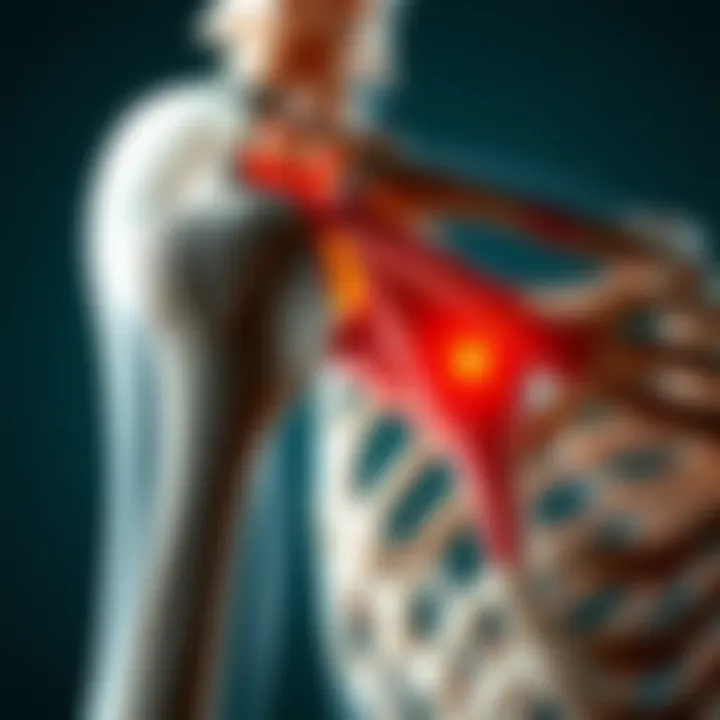
In essence, shoulder impingement occurs when the muscles, tendons, or bursa surrounding the shoulder get pinched during arm movements. This can lead to pain, reduced range of motion, and even chronic discomfort if left unaddressed. The shoulder, being a complex joint, is subject to various stresses and strains based on activity level, making it an area prone to injury and impingement.
This article aims to delve deep into the anatomy of the shoulder joint, the mechanics that lead to impingement, and the symptoms that usually accompany this condition. Furthermore, it provides insights into diagnostic methods and an array of treatment options available to help individuals regain their shoulder function. With practical guidelines based on both medical insights and lived experiences, this examination will equip readers with an understanding of how to navigate the challenges posed by shoulder impingement, ultimately leading to greater awareness and improved health outcomes.
Understanding Shoulder Anatomy
Understanding the anatomy of the shoulder is crucial to grasping the intricacies of shoulder impingement. This foundation helps not only in diagnosing the condition but also in exploring its treatment options. The shoulder is a complex structure made up of bones, muscles, tendons, and ligaments, each playing distinct yet interrelated roles in maintaining mobility and stability.
A well-rounded comprehension of shoulder anatomy contributes significantly to recognizing how various factors may lead to impingement. For example, knowing the specific bone structures like the humerus, scapula, and clavicle can allow better understanding of how misalignments or wear and tear can result in impingement. Also, familiarizing oneself with the muscle components that stabilize the shoulder, such as the rotator cuff, can elucidate why certain movements provoke pain or discomfort.
Moreover, comprehending tendons and ligaments' significance in conjunction with the bones and muscles not only illuminates the mechanics of the shoulder but also sheds light on potential risks and preventive measures. This knowledge can empower individuals—from students and educators to healthcare professionals—to appreciate the need for prompt intervention and the importance of rehabilitation strategies.
Thus, understanding shoulder anatomy serves as the stepping stone for deeper exploration into shoulder impingement, underscoring its vital importance in this discussion.
Bone Structure
The shoulder joint consists primarily of three main bones: the humerus, scapula, and clavicle. The humerus is the upper arm bone that fits into the scapula’s shallow socket, known as the glenoid. This ball-and-socket joint is what allows for a wide range of motion, giving humans the freedom to reach overhead and perform complex tasks. The clavicle serves as a bridge between the arm and the body, maintaining the shoulder’s alignment.
Key Characteristics of Shoulder Bones:
- Glenoid Cavity: A shallow socket that enables the arm to move freely while remaining stable.
- Acromion: The outer tip of the scapula, playing a crucial role in the shoulder's motion and stability.
- Coracoid Process: A small hook-like structure that aids in muscle attachment, influencing shoulder movement.
Each of these bones contributes to the overall mechanics of the shoulder. In scenarios of impingement, bone spurs might develop, narrowing the space in the shoulder where tendons and bursa reside, leading to pain and restriction of movement.
Muscle Components
Muscles surrounding the shoulder not only assist in movement but also protect the joint. The rotator cuff, composed of four main muscles—supraspinatus, infraspinatus, teres minor, and subscapularis—plays a pivotal role. These muscles stabilize the humeral head within the glenoid, allowing for coordinated movement.
Key Muscle Groups:
- Rotator Cuff Muscles: Essential for shoulder stability and movement. Functions include lifting and rotating the arm.
- Deltoid Muscle: The prominent muscle of the shoulder, responsible for arm abduction.
- Serratus Anterior: Important for protracting and stabilizing the scapula, allowing smooth overhead motion.
When these muscles become weak or injured due to overuse or trauma, the stability of the joint diminishes, creating an environment ripe for impingement. Understanding these muscle dynamics is vital for maintaining shoulder health and preventing injuries.
Tendons and Ligaments
Tendons and ligaments provide essential support to the shoulder joints. Tendons attach muscles to bones, while ligaments connect bones to other bones, ensuring that the shoulder remains intact during various activities.
Primary Tendons and Ligaments:
- Supraspinatus Tendon: Often will be the first affected during impingement, it connects the supraspinatus muscle to the humerus.
- Long Head of the Biceps Tendon: Provides additional stability to the shoulder while allowing for arm flexion.
- Glenohumeral Ligaments: A group of ligaments that helps stabilize the shoulder joint, preventing excessive motions that could cause injuries.
Common issues occur when tendons are inflamed or degenerated, leading to painful conditions like tendinitis or tears. Comprehending the roles of these structures can greatly enhance one’s knowledge about treatment options and preventive strategies for shoulder impingement.
Takeaway: Understanding the anatomy of the shoulder is not just about memorization. It’s about connecting the dots between structure, function, and health implications. With a solid grasp of these concepts, one can better navigate the complexities of shoulder impingement and its treatment strategies.
Defining Shoulder Impingement
Understanding shoulder impingement is paramount for anyone dealing with shoulder-related challenges, whether they’re athletes, healthcare professionals, or simply individuals facing discomfort. This section clarifies the essence of shoulder impingement, shedding light on its implications and significance in everyday life. Recognizing what impingement constitutes allows us to grasp the complexity of shoulder mechanics and guides us through better prevention and treatment strategies.
What Constitutes Impingement?
Shoulder impingement occurs when the rotator cuff tendons are painfully compressed against the shoulder blade (the acromion) during arm movement. This can lead to a variety of symptoms such as pain, reduced mobility, and weakness in the arm. To fully understand impingement, we can break it down into a few critical elements:
- Anatomical Placement: The anatomy of the shoulder is intricate, comprising bones, muscles, ligaments, and tendons that work in harmony. In simple terms, when the arm is lifted, certain structures can get pinched in the resulting space.
- Mechanics of Movement: Activities like lifting weights or performing overhead movements can trigger impingement. The repetitive nature of these motions can aggravate the condition, causing further complications over time.
- Symptoms: Common signs of shoulder impingement include pain during overhead activities, difficulty reaching behind the back, and a notable sensation of weakness. Attach a strong hand to a door frame and try to pull yourself forward–many feel that pinch, which is a telltale sign.
- Impact on Daily Life: Shoulder pain can radically alter one's routine. Simple tasks such as brushing your hair or reaching for a box on a shelf can morph from mundane to monumental.
"Understanding what constitutes shoulder impingement not only aids in diagnosis but also lays the groundwork for effective treatment."
The importance of properly defining this condition resonates throughout both diagnosis and therapy, making it crucial for proper management and recovery. This foundational understanding helps frame the rest of the discussion surrounding the causes, impacts, and potential solutions for shoulder impingement.
With a clear grasp of shoulder impingement laid down, we can venture into the underlying causes and explore why this condition frequently surfaces in various populations.
Causes of Shoulder Impingement
Understanding the causes of shoulder impingement is crucial for anyone aiming to grasp this complex issue that can impact mobility and quality of life. Shoulder impingement, often characterized by pain and limited range of motion, can stem from a variety of factors. Identifying these causes aids in targeted prevention strategies and provides a clearer pathway for recovery. The interplay of anatomical structures, repetitive motions, and injuries plays a significant role, making this section imperative for comprehending the broader topic of shoulder health.
Anatomical Variations
The anatomy of the shoulder itself can contribute substantially to impingement scenarios. Certain anatomical configurations lead to a higher risk of impingement injuries. For instance, individuals with a hooked acromion may find themselves more susceptible to impingement compared to those with a flat acromion. Other variations include differences in the shape of the humeral head and how it interacts with the shoulder's other components.
The significance of these anatomical variations can't be overstated; they can dictate not just pain levels but also approaches to treatment.
- Narrow Subacromial Space: A smaller space can pinch the rotator cuff tendons and bursae during arm movements.
- Bone Spurs: These bony growths can form on the acromion, further narrowing the space.
Recognizing these anatomical differences enables health professionals to tailor interventions based on an individual’s unique structure, potentially preventing future incidents.
Overuse Injuries
Overuse injuries are another leading cause of shoulder impingement, particularly among athletes and individuals who engage in repetitive overhead movements, like painters or construction workers. When these movements are performed repeatedly without adequate recovery, the shoulder tends to wear down, leading to inflammation and pain.


Focusing on conditioning and proper technique can mitigate these issues. Some points to consider include:
- Rotational Sports: Activities, such as tennis or baseball, involve repetitive overhead motion, placing strain on rotator cuff muscles.
- Occupational Hazards: Jobs that require lifting and reaching can lead to fatigue and subsequent injury.
Ultimately, recognizing the signs of overuse—like persistent soreness or fatigue—can help in implementing preventive measures before a minor issue escalates into a significant problem.
Rotator Cuff Tears
Rotator cuff tears are a common yet severe factor linked to shoulder impingement. The rotator cuff comprises four muscles that are essential for shoulder stability and movement. Tears within this structure can lead to changes in shoulder mechanics, causing tendons to rub against the acromion more forcefully during movement, thereby initiating impingement.
- Acute Injuries: These can occur while attempting to lift something heavy or through a fall, leading to immediate pain and dysfunction.
- Chronic Wear and Tear: Over time, age-related degeneration can lead to partial or full-thickness tears, making impingement more likely.
Thus, acknowledging the relationship between rotator cuff tears and shoulder impingement is key in developing comprehensive treatment plans, which may include surgery in more severe cases.
It's vital for both practitioners and patients to appreciate the myriad causes of shoulder impingement. Understanding these root issues facilitates a proactive approach to prevention and treatment.
By delving into these causes, practitioners can devise a more nuanced understanding of shoulder health, paving the way for effective intervention strategies.
Clinical Presentation of Impingement
Understanding the clinical presentation of shoulder impingement is essential for correctly diagnosis and facilitating effective treatment. Recognizing the symptoms can lead to quicker interventions, sparing many patients from prolonged discomfort and potential deterioration of their condition. The presentation of impingement not only informs healthcare providers about what to look for during examinations but can also give patients insight into their own condition, empowering them in their recovery journey. It’s crucial to grasp how these symptoms manifest and influence an individual's day-to-day life. In the following sections, we will dive into the common symptoms that might arise and how they can affect everyday activities.
Common Symptoms
Shoulder impingement is often accompanied by a variety of symptoms that signal discomfort at the joint. Each individual's experience may differ, yet some common indicators typically include:
- Pain in the shoulder, particularly during overhead activities: This pain often intensifies when reaching or lifting, signaling the stressed tissues around the shoulder.
- Weakness: Patients frequently note reduced strength in the affected arm, making it challenging to carry out tasks involving lifting or pushing.
- Limited Range of Motion: Individuals may discover it increasingly difficult to move their arm fully, particularly in raising the arm above the head.
- Pain radiating down the arm: This symptom may serve as a warning sign that the condition is not contained solely to the shoulder area.
- A clicking or popping sensation: Some might experience an audible noise when moving the joint, indicating structural issues may be at play.
These symptoms, when combined, can drastically dampen a person’s ability to perform not only athletic functions but also daily chores, leading to frustration and possibly emotional distress. Understanding these symptoms in detail allows for better communication with healthcare providers, which is crucial for effective management.
Impact on Daily Activities
Living with shoulder impingement extends beyond merely managing symptoms; it profoundly affects daily life. Activities that once felt effortless can become tedious, or even impossible, as patients navigate through discomfort. Tasks that often become challenging include:
- Chores around the home: Lifting groceries, reaching for items on a high shelf, or even wearing a coat can morph from simple acts into significant hurdles.
- Work-related duties: For those whose jobs involve physical labor or repetitive arm activities, shoulder impingement may lead to decreased productivity, or even the need for time off.
- Engagement in sports and recreation: Hobbies like swimming, painting, or playing certain musical instruments, which require full shoulder function, can be significantly impacted.
Often, this limit on activities can lead to additional complications, such as decreased physical fitness due to reduced activity levels, or emotional challenges stemming from frustration and isolation. Recognizing these daily impacts can help in developing a more thorough treatment approach that addresses not just the physical aspects, but the emotional and social implications of living with shoulder impingement.
"An understanding of the clinical presentation serves as a beacon, illuminating the path towards diagnosis, treatment, and recovery."
In essence, the clinical presentation of shoulder impingement is more than a medical concern—it has wide-ranging effects on quality of life. By being aware of common symptoms and understanding their implications on daily activities, proactive measures can be taken that lead to improved health outcomes.
Diagnostic Approaches
Understanding how to properly diagnose shoulder impingement is crucial for determining the appropriate course of treatment. This section delves into the diagnostic methodologies, outlining their significance, advantages, and considerations. Diagnosing shoulder impingement involves a combination of physical assessments and imaging studies. Together, these approaches grasp a comprehensive picture of the condition, guiding healthcare professionals in their decision-making.
Physical Examination Techniques
A physical examination is often the first line of defense in diagnosing shoulder impingement. This involves a hands-on assessment by a qualified medical professional, focusing on the shoulder's range of motion, strength, and any associated pain. It's a pragmatic approach where doctors might employ specific tests such as:
- Neer Test: This test seeks to provoke pain by raising the arm forward and upward while stabilizing the scapula. If discomfort surfaces, it may suggest impingement.
- Hawkins-Kennedy Test: Here, the arm is lifted to shoulder height, with the elbow bent. Rotating the arm might reproduce pain, indicating a potential issue with the rotator cuff.
An essential aspect of physical examination techniques is their ability to be conducted in a clinical setting without requiring high-tech equipment. This immediacy provides an initial insight into a patient's condition and can swiftly steer the clinician toward further investigation or intervention.
Imaging Studies
Imaging studies play a vital role in confirming the diagnosis of shoulder impingement, offering a detailed view of the structures within the shoulder joint. Among those commonly employed, X-rays and Magnetic Resonance Imaging (MRI) emerge as significant contributors to understanding shoulder pathology.
X-rays
X-rays are a fundamental imaging study when assessing shoulder problems. They are particularly useful for identifying bone abnormalities, such as spurs that may be causing the impingement.
One of the key characteristics of X-rays is their ability to reveal structural issues in a clear and immediate manner. They are often the first imaging choice due to the availability and simplicity of the procedure. Here are a few unique features:
- Widely Accessible: X-rays are available in most healthcare settings and take only minutes to perform, leading to a quick turnaround for results.
- Efficacy in Identifying Bony Changes: They can detect calcifications, bone spurs, and other conditions surrounding the bony anatomy.
However, the primary limitation of X-rays is that they do not provide detailed images of soft tissue structures like tendons or ligaments. This means while they can limit the broader landscape of the problem, they may not entirely capture the presence of issues like rotator cuff tears.
MRI
MRI scans offer more expansive insight compared to X-rays, particularly focusing on the soft tissues within the shoulder. Known for its high-resolution imaging, MRI can visualize ligaments, tendons, cartilage, and muscles effectively.
A remarkable characteristic of MRI is its ability to provide cross-sectional images of shoulder anatomy, revealing subtler signs of impingement that X-rays might miss. Here’s what's noteworthy:
- Detailed Soft Tissue Visualization: MRI can uncover inflammation of the rotator cuff, fluid accumulations, or bruising in and around the joint.
- Non-Invasive: MRIs do not involve ionizing radiation, making them a safer long-term diagnostic tool.
The downsides include higher costs and longer wait times for the results. Furthermore, some patients may find the enclosed space of an MRI scanner uncomfortable.
Treatment Strategies
Treatment for shoulder impingement is vital to restore function and alleviate pain. Addressing this condition requires a thoughtful approach, as it often involves balancing immediate relief and long-term recovery. The selected strategies can either be conservative or surgical, each of which has unique features, advantages, and challenges. Conclusively, understanding these methods helps individuals make informed decisions about the best path to recovery.
Conservative Management

Physical Therapy
Physical therapy serves as a cornerstone in the conservative management of shoulder impingement. It emphasizes tailored strength and flexibility training to nurture the shoulder's functionality. A key characteristic of physical therapy is its hands-on nature, where therapists directly engage with patients to optimize movement and address pain points. This personalized approach makes physical therapy a popular choice among those seeking non-invasive solutions.
What sets physical therapy apart is its holistic focus on restoring mobility while reducing discomfort. Patients often report marked improvements in their range of motion and a noticeable decrease in pain levels after consistent sessions. One advantage of this treatment is the empowerment it grants individuals to actively participate in their recovery. That said, physical therapy’s effectiveness heavily depends on the commitment and adherence of the patient. Thus, it requires an investment of time and effort but can lead to long-lasting results.
Activity Modification
Activity modification is another fundamental aspect of conservative management. It involves making adjustments to daily activities to prevent further injury and promote healing. A standout feature of activity modification is its adaptability; patients can tailor their routines based on their pain and progress. This benefit makes it an appealing option for many as it actively engages them in their own rehabilitation process.
The unique component of activity modification lies in its simplicity and practicality. By recognizing and altering movements or habits that exacerbate the impingement, individuals can often achieve significant relief. For example, avoiding overhead lifting or fine-tuning the way they perform daily chores can yield positive changes. However, a potential drawback might be the challenge of consistently applying these modifications in a busy lifestyle, which can lead to frustration.
Surgical Interventions
Arthroscopy
Arthroscopy is a minimally invasive surgical option that presents a modern approach to treating shoulder impingement. It offers remarkable precision, allowing surgeons to view the interior of the joint through small incisions. This technique is often considered a beneficial choice as it typically results in less postoperative pain and quicker recovery times compared to more invasive procedures.
What distinguishes arthroscopy is its ability to address a variety of shoulder issues in one procedure. Surgeons can not only treat impingement but also repair other concurrent problems, such as rotator cuff tears. Importantly, the advantage of faster recovery and rehabilitation makes this method appealing to active individuals eager to return to their routines. However, surgical options aren't without their challenges; risks like infection or complications do exist, and successful outcomes are not guaranteed.
Open Surgery
Open surgery is another avenue for severe cases where impingement cannot be adequately addressed through conservative methods or arthroscopy. A critical aspect of open surgery lies in its comprehensive approach—surgeons have full visibility and accessibility to the shoulder's anatomical structures, which allows for in-depth correction of any underlying issues. This benefit can prove crucial when other treatments have failed.
What makes open surgery unique is the thoroughness with which it tackles underlying problems. It may involve larger incisions and consequently longer recovery periods, which is a significant disadvantage compared to minimally invasive techniques. While it can offer definitive solutions, patients should weigh the risks and benefits carefully, considering their personal health and activity levels post-surgery.
Rehabilitation Protocols
Rehabilitation protocols form a cornerstone in the journey toward recovery from shoulder impingement. The importance of structured rehabilitation cannot be overstated, as they not only help restore function but also empower individuals to manage their own recovery. A well-designed rehabilitation protocol is tailored to the specific needs of the patient, addressing pain relief, mobility improvement, and gradual strengthening of the shoulder. Factors such as the duration of symptoms, severity of impingement, and individual health status guide the selected approach. This targeted strategy is paramount in ensuring long-term success and minimizing the chance of future occurrences.
Phases of Rehabilitation
The rehabilitation process can be segmented into distinct phases, each with its own objectives and techniques. Typically, these phases may include:
- Acute Phase
This phase usually lasts from days to weeks, focusing on reducing pain and inflammation. Patients might engage in gentle range-of-motion exercises to maintain shoulder mobility without exacerbating symptoms. Ice application and rest play critical roles during this time. - Subacute Phase
As pain diminishes, the focus shifts toward restoring function. In this phase, more targeted exercises come into play, including strengthening and stabilization techniques. A gradual increase in load on the shoulder is emphasized, avoiding overload that may lead to setbacks. - Functional Phase
Here, patients work on activities that mimic daily living and work tasks. The goal is to safely return to normal function while enhancing strength and endurance. This may include sport-specific drills for athletes or ergonomic assessments for workers.
It is crucial to note that the duration of each phase depends heavily on the individual’s progress. Some may progress rapidly; others might need more time due to varying severity in their condition.
Goals of Rehabilitation
Setting clear objectives within the rehabilitation framework helps both the patient and the healthcare provider stay aligned. Some primary goals include:
- Pain Management:
Reducing pain levels is often the first priority. Understanding and managing pain effectively can significantly improve the patient’s quality of life. - Restoring Range of Motion:
Re-establishing full mobility is critical. Patients work on stretching exercises to improve flexibility and prevent stiffness. - Enhancing Strength:
Focus is placed on building the muscles around the shoulder to better support the joint, boosting functional capabilities. - Promoting Functional Independence:
The overall vision is to ensure patients can return to their normal activities, whether it's lifting children or participating in sports. It's about regaining confidence in the shoulder's ability to perform everyday tasks.
In summary, rehabilitation protocols are essential for recovery from shoulder impingement. They are engineered to meet an individual’s needs while addressing pain relief, enhancing mobility, and ensuring a safe return to daily activities. Patients are encouraged to engage actively in their rehabilitation journey, which not only aids in recovery but fosters a sense of ownership over their health.
"A systematic approach to rehabilitation not only heals the body but fortifies the mind, preparing individuals for the challenges ahead."
For the most up-to-date guidelines and insights on shoulder rehabilitation, resources such as PubMed and the American Academy of Orthopaedic Surgeons can offer valuable information.
Preventive Measures
Preventive measures play a pivotal role in managing shoulder impingement, a condition that can significantly impact daily activities and quality of life. Understanding the significance of these measures is crucial for anyone who wishes to maintain shoulder health or recover effectively from shoulder issues.
By adopting preventive strategies early on, individuals can not only reduce the risk of developing impingement but also mitigate the severity if symptoms arise. Key elements in preventive care often include a combination of lifestyle adjustments, specialized exercises, and ergonomic considerations.
The Importance of Preventive Measures
Preventive measures go beyond merely addressing symptoms; they aim to tackle the underlying causes of shoulder impingement. An ounce of prevention is worth a pound of cure, and that rings especially true when dealing with musculoskeletal issues. The reality is that many people ignore the signs of shoulder discomfort until they escalate into full-blown problems.
Taking proactive steps can lead to benefits like:
- Enhanced shoulder mobility
- Improved strength and stability
- Avoidance of long-term damage
- Reduced pain and discomfort
Furthermore, engaging in regular assessments of one's physical condition can help identify areas susceptible to injury, allowing for timely interventions.
Strengthening Exercises
Building a Robust Foundation
Strengthening exercises are indispensable in preventing shoulder impingement. These workouts target the rotator cuff and the muscles surrounding the shoulder joint, fostering not just strength but also coordination and stability. Implementing a routine can make a world of difference in maintaining the delicate balance necessary for shoulder function.
Here are several exercises to consider:
- External Rotations: Using resistance bands, keep your elbow close to your body while slowly rotating your forearm outward. This exercise strengthens the rotator cuff muscles, enhancing stability.
- Scapular Push-ups: In a plank position, allow your shoulder blades to come together on the way down and press them apart when pushing up. This engages the scapular stabilizers, which are crucial for shoulder mechanics.
- Wall Angels: Standing against a wall, move your arms up and down while keeping them and your lower back in contact with the wall. This exercise helps improve shoulder mobility while also reinforcing proper alignment.
- Shoulder Flexion with Resistance Bands: Attach a resistance band at a low point. While standing, pull the band towards you, standing tall and keeping a straight posture. This strengthens your deltoids and engages the stabilizing muscles around the shoulder.
These exercises can easily be incorporated into daily routines or therapy sessions with a trained professional. However, it’s essential to perform them with attention to form and control to avoid injuries.
Conclusively, preventive measures backed by a solid understanding of shoulder mechanics can lead to better long-term outcomes, reducing the prevalence of conditions like shoulder impingement. Investing in your shoulder’s health today can lead to a lifetime of better mobility and freedom from pain.
Remember: Health is wealth, and taking care of your body—especially your shoulders—is a crucial investment.
For further reading, visit Wikipedia's guide on Shoulder Injuries or consult Penn Medicine’s resources for shoulder rehabilitation techniques.

Prognosis and Long-Term Outlook
Understanding the prognosis and long-term outlook for individuals dealing with shoulder impingement is crucial. This section aims to demystify the recovery journey, explaining the various factors that can influence outcomes and the potential complications that might arise. Grasping these elements can empower patients and caregivers, providing clarity on what to expect over time.
Factors Affecting Recovery
Recovery from shoulder impingement isn’t always a straightforward road; it can depend on several variables. Here are some key aspects to consider:
- Severity of the Condition: The extent of the impingement plays a significant role in recovery. Minor cases may resolve quickly with conservative treatment, while severe cases can take months to heal.
- Age and Health Status: Older adults or those with existing health issues often face slower recovery times. Younger, healthier individuals typically respond better to treatment.
- Adherence to Treatment: Following prescribed exercises and therapies is essential. Those who stick to their rehab protocols usually see better outcomes.
- Lifestyle Factors: Habits like smoking can impede healing, as well as overall fitness levels. Staying active can bolster recovery, while a sedentary lifestyle could lead to extended pain.
- Frequency of Re-occurrence: When someone suffers from repeated episodes of impingement, it can complicate the recovery process. Understanding and addressing root causes is vital for long-term health.
"Knowing what can affect recovery helps create a tailored approach to treatment. It's essential to have realistic expectations."
Potential Complications
While many individuals successfully navigate shoulder impingement, some may encounter complications that can lead to a more complex situation. These include:
- Chronic Pain: Some individuals may develop persistent discomfort even after initial treatment. This chronic pain can affect daily routines and overall quality of life.
- Limited Range of Motion: Failing to address shoulder impingement adequately might result in stiffness, making it challenging to perform simple activities, such as reaching overhead.
- Rotator Cuff Injury: Neglecting an impingement can lead to more severe injuries, like tears in the rotator cuff, which may require surgical intervention.
- Other Joint Issues: Sometimes, an impingement can lead to problems in other joints, such as the elbow or wrist, stemming from compensatory movements made to avoid shoulder pain.
- Psychological Impact: Chronic pain and limitation in activities can also lead to emotional challenges, such as frustration or depression, which are often overlooked in physical rehabilitation frameworks.
It’s crucial for individuals to engage in open conversations with their healthcare providers about these factors and potential complications. Understanding the nuances can foster a proactive approach to treatment and recovery.
Living with Shoulder Impingement
Living with shoulder impingement can be a challenging experience for many. This condition doesn’t just impact the shoulder joint itself, but it often seeps into everyday activities. Understanding how to manage this situation is crucial for maintaining quality of life and preventing further complications.
One major element to consider is chronic pain management. For individuals dealing with shoulder impingement, pain can become a constant companion, affecting everything from work productivity to leisure activities. Finding effective ways to cope with and alleviate this pain can facilitate a more active and fulfilling lifestyle.
Additionally, individuals with shoulder impingement often face psychological hurdles. The frustration that comes with physical limitations can lead to feelings of helplessness. Therefore, it’s not merely about managing the physical symptoms but also addressing mental well-being. Seeking support from physical therapists, support groups, or knowledgeable friends can make a world of difference.
Moreover, activity modification plays a vital role. Individuals need to recognize movements that exacerbate their condition and adjust accordingly. Knowing what to avoid can minimize discomfort and prevent the impingement from worsening.
Tips for Coping
Here are several strategies individuals can consider for effectively living with shoulder impingement:
- Educate Yourself: Knowledge is power. Understanding the mechanics behind your condition can empower you to make better decisions about your care.
- Use Ice and Heat Therapy: Regular application of ice can help with swelling, while heat can relax muscles, aiding mobility.
- Consider Ergonomic Adjustments: Make changes to your workspace set-up to reduce strain on your shoulder during daily tasks or work-related activities.
- Engage in Gentle Stretching: Incorporating soft stretches and light mobility exercises can promote flexibility and alleviate discomfort.
"Hope is not about what you can achieve, but rather about what you are willing to pursue despite the limitations."
Research and Future Directions
The exploration of shoulder impingement is an evolving field. With every passing year, the scientific community digs deeper into the complexities surrounding this condition. Understanding the latest research is vital as it can significantly enhance treatment strategies and patient outcomes. Current trends indicate a collective push towards more personalized, evidence-based approaches in managing shoulder impingement. This shift not only supports clinicians in providing tailored care but also empowers patients by allowing them to participate actively in their recovery journey.
There are several elements that underscore the importance of ongoing research in this area. First and foremost, it illuminates the intricate mechanisms behind shoulder impingement. For instance, several studies suggest that anatomical variations, like the shape of the acromion, may predispose individuals to impingement. This highlights the need for imaging studies that focus not just on the injuries but also on the unique structural elements of each patient’s shoulder, potentially guiding preventive measures.
Moreover, advancing research emphasizes the role of biomechanical factors. It’s not only about the injury; it’s about understanding the forces at work during shoulder movements. Such knowledge can pave the way for innovative rehabilitation protocols focused on strengthening associated muscle groups. Comprehensive studies that integrate physical therapy with biomechanical assessments could refine rehabilitation techniques, leading to faster recovery.
Additionally, the exploration of surgical techniques is continuously developing. Researchers are studying the long-term effects of minimally invasive surgeries, hoping to find approaches that yield better results with reduced recovery times. This includes investigating the effectiveness of arthroscopic procedures as compared to traditional open surgeries. Exploring these avenues could dramatically shift surgical norms and enhance patient care.
"Ongoing research on shoulder impingement not only informs current practices but also shapes the future of orthopedic treatment plans."
Ultimately, as the body of knowledge expands, clinicians are better equipped to make informed decisions that reflect the latest understanding of shoulder impingement. Every study, trial, and publication contributes to a more comprehensive view, elevating the standards of care in orthopedic medicine.
Current Studies
At the forefront of research into shoulder impingement are several pivotal studies that offer insights into both prevention and treatment. Here are a few notable areas of focus:
- Anatomical Studies: Research is diving into how variations in shoulder structure can either protect or expose individuals to impingement. Understanding these unique characteristics is crucial for developing both preemptive and reactive strategies.
- Biomechanical Evaluations: Some teams are conducting experiments to measure the forces exerted on the shoulder during various activities. This helps in identifying risk factors related to specific movements, potentially leading to preventive strategies targeted towards at-risk populations.
- Conservative Management Trials: Recent studies carefully examine the long-term outcomes of physical therapy techniques compared to traditional approaches, reconsidering methodologies that best serve clients in rehabilitation.
- Surgical Outcome Analyses: There’s an ongoing evaluation of patients post-surgery, aiming to determine the most effective surgical practices in real-world scenarios. This includes assessing recovery times, re-injury rates, and overall patient satisfaction.
The contributions of these studies are essential for steering clinical practices and achieving a clearer understanding of shoulder impingement. As research continues to grow, it will undeniably shape future treatment paradigms, offering hope for improved health outcomes for patients struggling with this condition.
For more information on ongoing studies, you can check reputable sources such as PubMed, ClinicalTrials.gov, or the American Academy of Orthopaedic Surgeons.
The End
In wrapping up our examination of shoulder impingement, it becomes clear that this condition is of significant concern not just for athletes but for anyone who relies on shoulder mobility for daily activities. Understanding the mechanisms behind impingement enriches our grasp of its symptoms and treatment options. This is vital for both patients and healthcare providers, as a comprehensive understanding leads to better patient outcomes.
The complexity of shoulder anatomy and the multifaceted nature of impingement underline the necessity for an individualized approach in both diagnosis and treatment. Healthcare professionals must leverage their knowledge to tailor management strategies that resonate with each patient’s unique circumstance. The importance of early detection cannot be understated; when impingement is recognized promptly, it can often be treated effectively through non-surgical means, avoiding more invasive measures. Additionally, education plays a crucial role in empowering patients to take proactive measures in their own recovery and prevention of recurrence.
Moreover, as ongoing research sheds more light on this issue, future therapeutic advancements could soon improve the way shoulder impingement is managed. Staying updated with current literature and new techniques is essential for practitioners in the field. Thus, this conclusion is not merely an endpoint; it serves as a launchpad for continuous learning and adaptation in the field of shoulder health.
Key Takeaways
- Shoulder impingement is a prevalent condition affecting everyday mobility.
- Early recognition and intervention are vital for effective management.
- An individualized treatment plan facilitates better outcomes.
- Continuous education and training for healthcare providers is necessary to provide the best patient care.
"Knowledge is power. The more we learn about shoulder impingement, the better prepared we are to handle it."
For further reading and resources, consider visiting:
- Wikipedia - Shoulder Impingement
- Britannica - Impingement Syndrome
- American Academy of Orthopaedic Surgeons - Rotator Cuff Injuries
By synthesizing these insights, we pave the way for an informed community of patients and practitioners, fostering better understanding and management of shoulder conditions.
Specific Considerations for Effective Referencing
- Diversity of Sources: A balanced article will pull references from multiple disciplines including orthopedics, physiotherapy, and sports medicine.
- Accessibility of Information: Given the complexity often surrounding medical topics, utilizing links to resources such as educational institutions or health organizations can provide additional clarity and assist in fostering better understanding.
- Credibility Over Volume: It's not just about having a long list; instead, ensuring that each reference is of high quality—peer-reviewed or authored by recognized experts—matters more.
Here are some examples of reliable sources that readers may explore further:
In summary, references are pivotal for anchoring an article's claims in verified research. They enhance the article's trustworthiness, offer pathways for further exploration, and lay a solid foundation for the reader's understanding of shoulder impingement, which is essential for those looking to gain a more profound grasp of this condition and its implications.